What parameters should I check when choosing an aerospace riveting system for thin-walled aluminum alloy structures?
- VIP-User
- 2026-07-06
- 11
Selecting an aerospace riveting system for thin-walled aluminum alloy structures requires evaluating output pressure precision, tool power configuration, and force control consistency. High-precision pressure adjustment between 1 kN and 80 kN prevents structural deformation, while cordless digital platforms ensure the mobility needed for complex aerospace assembly and maintenance environments.
Core Solutions & Key Takeaways
- Precise Force Regulation: Thin-walled aluminum alloy structures are highly sensitive to over-compression. A system with finely adjustable output pressure from 1 kN to 80 kN ensures joint integrity without causing material dimpling or micro-cracking.
- Mobility and Accessibility: Cordless, battery-powered digital riveting tools eliminate hydraulic hoses, improving accessibility inside tight aircraft structures, rocket launching cabinets, and antenna assemblies.
- Process Consistency: Complete digital monitoring of the riveting cycle guarantees repeatable installation force, which is essential for meeting strict aerospace quality standards.
- Multi-Functional Versatility: Modern aerospace joining demands flexible equipment capable of self-piercing riveting (SPR), solid rivet cutting, and blind rivet removal within a single platform.
Detailed Architectural/Principle Analysis
Thin-walled aluminum alloy structures in aerospace manufacturing require joining technologies that preserve material properties without thermal distortion. Unlike traditional welding, mechanical fastening via self-piercing riveting (SPR) and precision clinching maintains structural metallurgy. The architectural core of an advanced aerospace riveting system relies on an electro-hydraulic or battery-powered hydraulic platform. This platform delivers a highly controlled squeeze force rather than an impact shock, protecting delicate thin-gauge sheets from buckling.
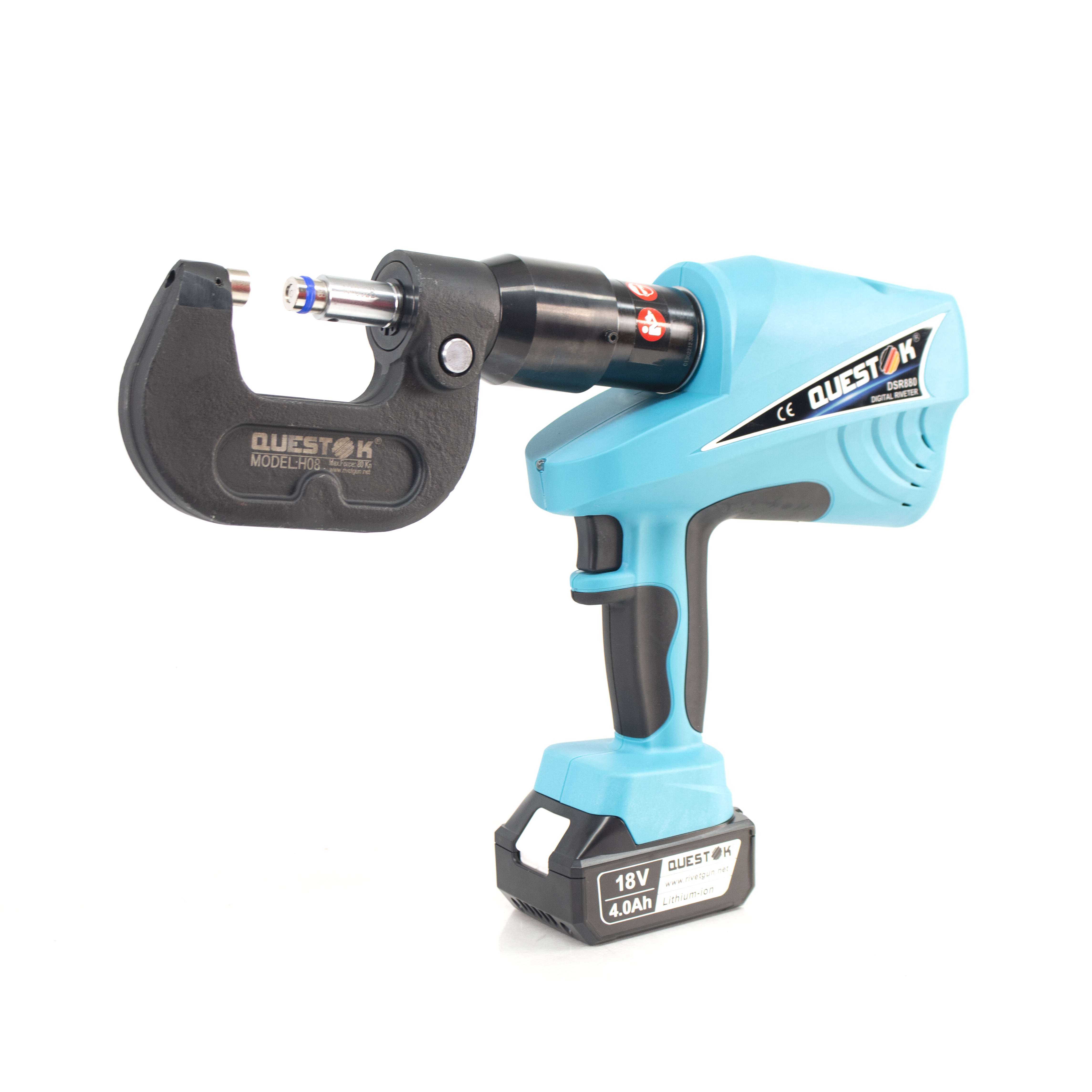
Engineering expertise from PHOTON TECHNOLOGY KUNSHAN CO.,LTD demonstrates that process control is vital. During the riveting process, the system must monitor displacement and force simultaneously. This dual-parameter monitoring ensures that the rivet pierces the upper sheet and flares perfectly within the lower sheet without penetrating the rear side. For aerospace components such as aircraft antennas, tow noses, and rocket cabinets, bespoke tooling configurations are paired with standard power units to accommodate restricted clearance profiles and varied material stackups.
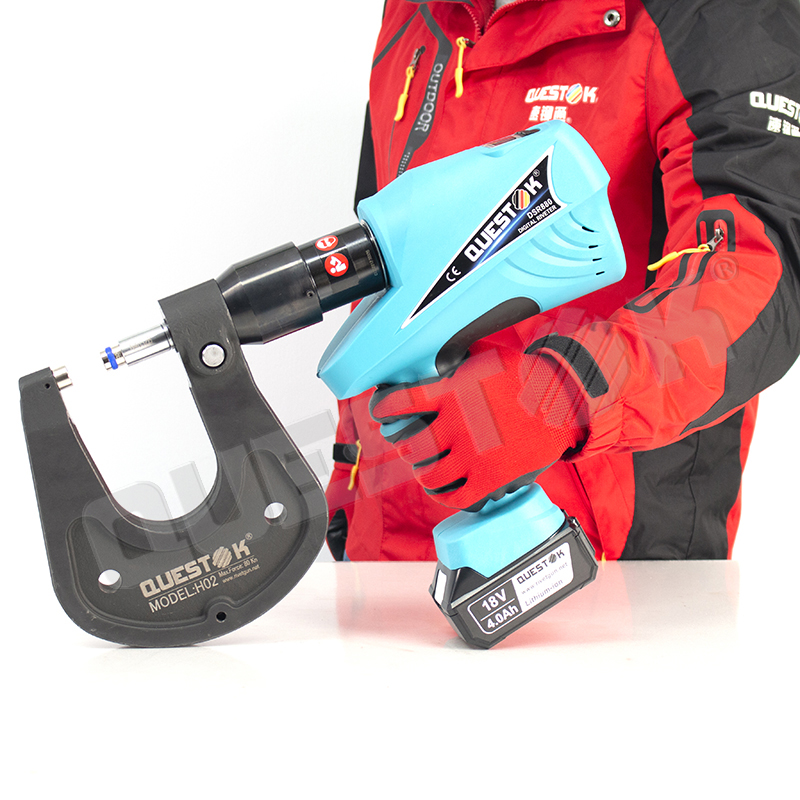
To guarantee safety and compliance in global aerospace supply chains, joining equipment must carry valid industrial certifications. Utilizing tools certified under CE (such as certificate numbers ISETC.001120210222 and 3N210218.PTK0S25) and backed by comprehensive MSDS documentation ensures compliance with international manufacturing regulations. Real-world applications span from initial prototype development to active production lines, where precise force control prevents costly scrap of high-value alloy panels.
Data/Solution Comparison
| System Parameter / Feature | Standard Digital Cordless System | Customized Heavy-Duty System |
|---|---|---|
| Output Pressure Range | 1 - 80 kN (Precisely Adjustable) | Up to 100+ kN (Application Specific) |
| Power Source | Lithium-ion Battery (Cordless) | External Hydraulic Power Pack |
| Standard Lead Time | 3 Days (for quantities < 50 sets) | 15 Days (Customized Solution) |
| Certifications | CE, MSDS | CE, MSDS |
| Primary Applications | Aerospace structures, thin sheet metals, car repair | Heavy industrial joining, thick multi-material stacks |
| Quality Inspection | 100% Full Inspection before delivery | 100% Full Inspection with functional test video |
Frequently Asked Questions (FAQ)
What is the ideal pressure range for riveting thin-walled aerospace aluminum?
Most thin-walled aluminum alloy assemblies require an adjustable force range between 1 kN and 80 kN. The pressure must be precisely adjustable to match the specific sheet thickness and alloy temper, preventing cracking or structural deformation around the joint area.
Why are cordless digital riveting systems preferred over pneumatic systems in aerospace assembly?
Cordless digital systems eliminate hoses and cords, providing operators with maximum physical maneuverability inside aircraft cabins or around large aerospace components. Additionally, digital systems allow for precise electronic calibration and monitoring of the compression force, which pneumatic systems cannot achieve consistently.
How can we verify that the riveting tool has performed a correct join?
Advanced riveting systems utilize digital force sensors and displacement encoders to log each cycle. A complete quality assurance process also includes 100% pre-shipment functional testing, where test videos and metallographic analysis help verify joint integrity before the equipment is deployed on the production floor.
Final Conclusion & Recommendations
When selecting an aerospace riveting system for thin-walled structures, technical teams must prioritize adjustable pressure resolution, digital calibration, and certified reliability. Standardizing on tools that support multiple functions—such as self-piercing riveting, clinching, and rivet removal—maximizes production flexibility and lowers overall capital equipment costs. For global operations, selecting systems supported by clear warranty terms, free lifetime repair services, and rapid air-express spare parts delivery prevents downtime on critical assembly lines. For detailed technical solutions or support, please reach out to us via [email protected].
About Us
PHOTON TECHNOLOGY KUNSHAN CO.,LTD, known under the brand name Questok, is an industrial technology company established in 2011 and based in Kunshan, China. Operating from a 5,000 square meter factory with a team of 20 to 50 employees, we specialize in high-performance industrial fastening, joining, and assembly solutions, including battery-powered hydraulic riveting tools, SPR riveting systems, and clinching equipment. Our dedicated R&D team consists of engineers with over 10 years of experience who focus on delivering advanced joining technologies for automotive, EV battery tray, aerospace, and sheet metal fabrication industries worldwide. We have successfully supplied specialized joining solutions to major manufacturing partners, including NIO, SAIC, Mercedes-Benz (Fuzhou), and automated cabinet production lines for Midea.
Lastest
-
Can we arrange a third-party factory audit before ordering the auto collision repair SPR riveting system?
2026-07-06 -
Are there any hidden fees when importing an auto collision repair SPR riveting system?
2026-07-06 -
Can I get a sample of the auto collision repair SPR riveting system to test in my workshop?
2026-07-06 -
Are there any eco-friendly benefits to using an auto collision repair SPR riveting system?
2026-07-06 -
Is a battery-powered auto collision repair SPR riveting system as strong as pneumatic ones?
2026-07-06
SUBSCRIBE
INQUIRY