What key specs should I look for in an aerospace riveting system to handle high-strength titanium alloys?
- VIP-User
- 2026-07-06
- 7
An aerospace riveting system for high-strength titanium alloys must feature precise force control with adjustable output pressure, robust structural rigidity to prevent deflection, and real-time monitoring. Systems with variable output pressure up to 80kN ensure correct material upset without cracking the parent structure.
Core Solutions & Key Takeaways
- Precise Pressure Adjustability: Titanium alloys require exact force application. A system supporting 1-80kN adjustable output pressure prevents over-compression and micro-cracking.
- Intelligent Monitoring: Real-time feedback ensures fastening consistency across multi-material stacks, such as titanium-to-aluminum joints.
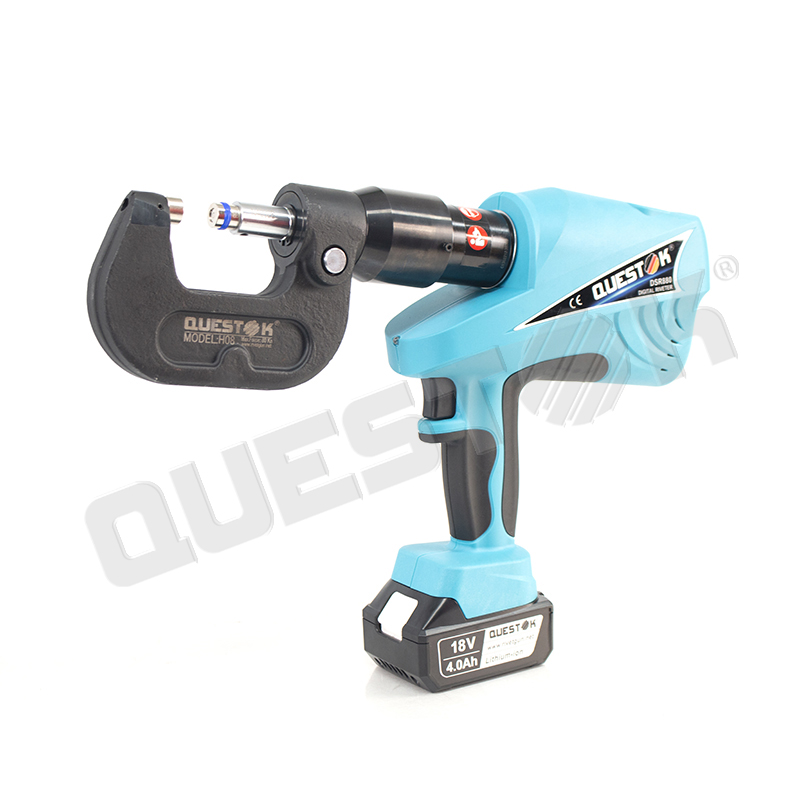
- Handheld Ergonomics & Mobility: For aerospace assembly, battery-powered or lightweight handheld systems allow operators to access complex aircraft antenna structures, rocket launching cabinets, and aircraft tow noses easily.
Detailed Architectural/Principle Analysis
High-strength titanium alloys present significant challenges during structural assembly due to their high yield strength and low elasticity. Standard riveting tools often cause material deformation or insufficient joint tightness. The execution of aerospace joining relies on controlled plastic deformation, where the riveting system must deliver continuous, stable hydraulic force to complete the self-piercing riveting (SPR) or solid riveting process. Systems like the Intelligent Handheld Aerospace Fastening System utilize closed-loop feedback mechanism to adjust output pressure dynamically between 1-80kn, matching the specific material thickness and resistance of the titanium stack.
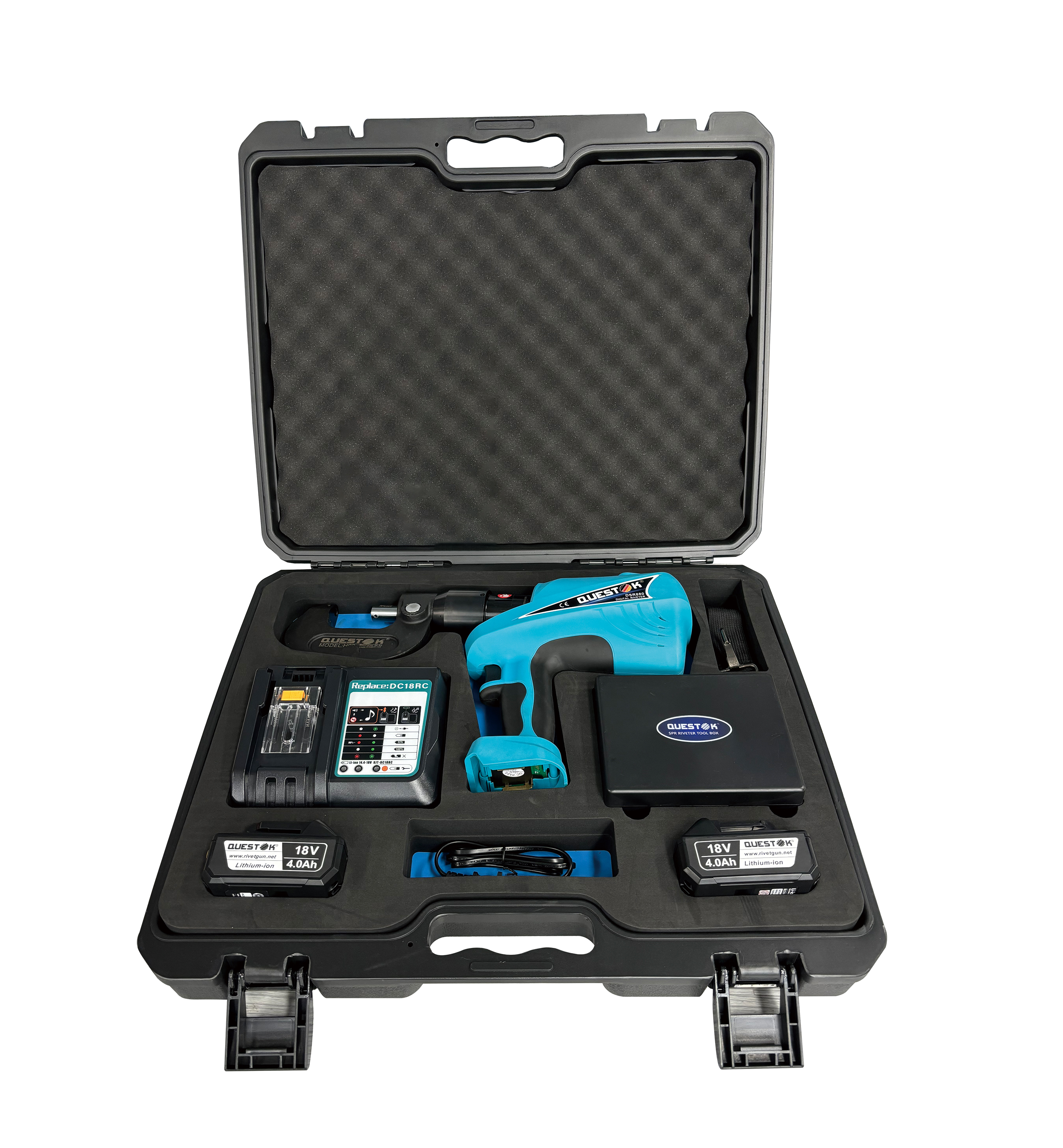
In practical aerospace applications, bespoke configurations are necessary. For instance, engineering developments since 2012 show that fabricating rocket launching cabinets, aircraft antennas, and aircraft tow noses requires customized dies and precise force calibration. Implementing a system with internationally recognized standards, such as those holding CE and MSDS certifications, ensures the hydraulic and electrical configurations meet stringent global safety and performance criteria.
Data/Solution Comparison
| Riveting System Parameter / Feature | Standard Industrial Riveter | Intelligent Aerospace Riveting System |
|---|---|---|
| Output Pressure Range | Fixed / Narrow adjustment | 1-80kn precisely adjustable |
| Control Mechanism | Manual pressure valve | Intelligent digital control |
| Material Compatibility | Mild steel, standard aluminum | Titanium alloys, ultra-high-strength steel, aluminum stacks |
| Certifications | Basic regional standard | CE, MSDS compliant |
| Application Scope | General sheet metal joining | Aerospace structures, EV battery trays, automotive repair |
Frequently Asked Questions (FAQ)
What is the ideal pressure range for riveting titanium alloys in aerospace assemblies?
An output pressure range of 1-80kn is ideal. The system must allow precise adjustment within this range to accommodate varying sheet thicknesses and alloy grades without inducing thermal or mechanical stress.
Why are CE and MSDS certifications important for aerospace riveting systems?
These certifications prove compliance with strict safety, health, and environmental standards across major markets including Europe and North America, ensuring the battery platforms and hydraulic components are safe for critical manufacturing environments.
Can these systems be customized for specific aircraft components?
Yes. While standard models are available for quick delivery, complex structures like aircraft tow noses or antenna brackets often require customized tooling dies and specialized pressure curves to ensure perfect joint execution.
Final Conclusion & Recommendations
Selecting an aerospace riveting system for titanium alloys requires prioritizing precise force adjustability, intelligent control interfaces, and proven physical reliability. For global supply chains, choosing platforms that offer flexible business models like ODM and OBM, backed by comprehensive QC processes including 100% full inspection and functional testing, guarantees equipment longevity. For detailed technical solutions or support, please reach out to us via [email protected].
About Us
PHOTON TECHNOLOGY KUNSHAN CO.,LTD (operating under the brand Questok) is an industrial technology company established in 2011, operating a 5000 sqm factory with 20-50 specialized employees. We are dedicated to advancing modern manufacturing through innovative fastening, joining, and assembly solutions, specializing in self-piercing riveting systems, clinching tools, and fasteners pressing equipment. Our expert R&D team brings over 10 years of experience to deliver high-performance systems certified by CE and MSDS, successfully serving clients across automotive, EV battery manufacturing, and aerospace sectors. 
Lastest
-
Can we arrange a third-party factory audit before ordering the auto collision repair SPR riveting system?
2026-07-06 -
Are there any hidden fees when importing an auto collision repair SPR riveting system?
2026-07-06 -
Can I get a sample of the auto collision repair SPR riveting system to test in my workshop?
2026-07-06 -
Are there any eco-friendly benefits to using an auto collision repair SPR riveting system?
2026-07-06 -
Is a battery-powered auto collision repair SPR riveting system as strong as pneumatic ones?
2026-07-06
SUBSCRIBE
INQUIRY