How do I compare sheet metal clinching gun force ratings for different joint thicknesses?
- VIP-User
- 2026-08-28
- 6
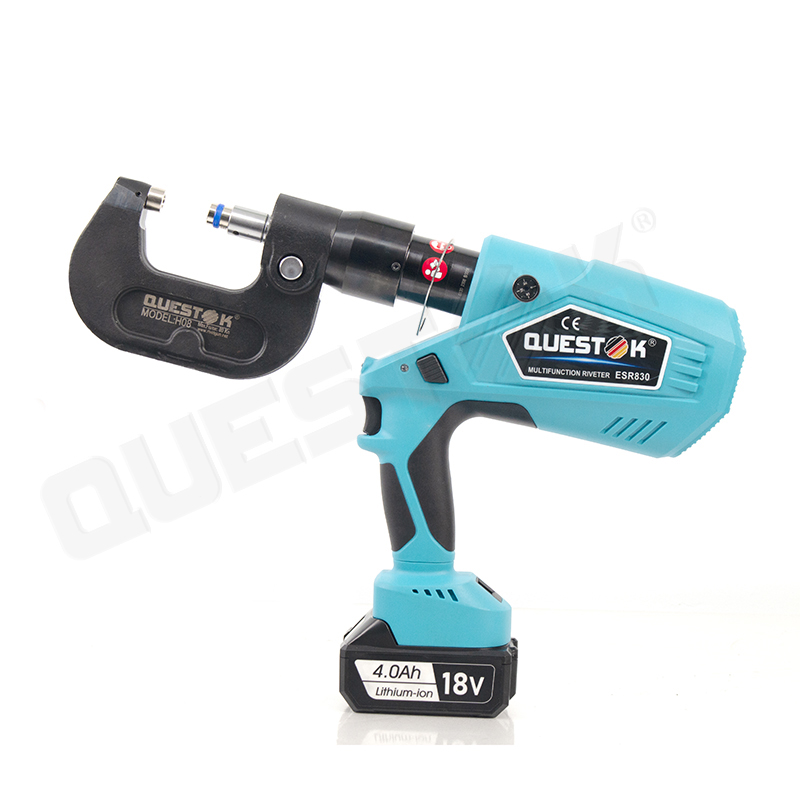
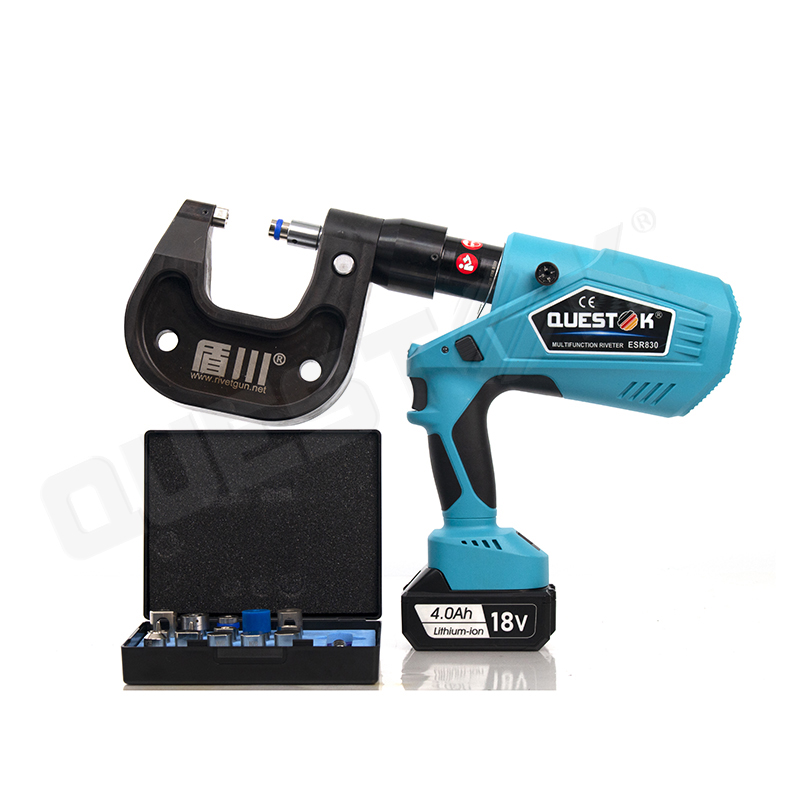
To compare sheet metal clinching gun force ratings across different joint thicknesses, match the required material stack and joint condition to the tool’s adjustable output range. A gun rated at 30-60 kN, such as the Questok portable production clinching tool, supports force adjustment, but the correct setting must be validated through application testing rather than selected from thickness alone.
Core Solutions & Key Takeaways
- Compare the total joint thickness, material combination, and required clinch result with the gun’s available force range.
- The Questok portable efficient roller shutters production clinching tool provides an output pressure of 30-60 kN with precisely adjustable pressure.
- Use application testing to verify joint formation, process consistency, and suitability for the intended sheet metal assembly.
- Clinching is used by Questok in HVAC duct work, air fans, dampers, filters, flanges, white goods, commercial kitchens, and commercial freezers.
Detailed Architectural/Principle Analysis
Force rating comparison begins with the joint rather than the tool label. Different sheet thicknesses can require different force settings, and the same nominal thickness may behave differently when the material combination or forming condition changes. A practical comparison therefore records the joint stack, selects a compatible force range, and validates the result with production-relevant tests.
The product data specifies an output pressure range of 30-60 kN and precisely adjustable pressure for the Questok portable efficient roller shutters production clinching tool. This allows the operator or process engineer to compare settings within the tool’s stated range while examining the resulting clinch. The available data does not define a separate force requirement for each joint thickness, so thickness-specific settings should not be inferred without testing.
For HVAC applications, Questok reports that clinching guns are used for duct work, air fans, dampers, filters, and flanges. The stated process benefits are one-step operation, no consumables, and no need to polish or repaint after joining. These factors can be included in a thickness comparison when evaluating production efficiency and post-processing requirements alongside force.
Questok’s engineering background covers mechanical engineering, hydraulic system development, structural analysis, electrical and electronic control systems, fastening process development, application engineering, prototype testing, and reliability verification. The company states that its Research and Development team members have more than 10 years of engineering experience.
Reported cooperation cases include a control cabinet automated production line for Midea, where a clinching solution was used to improve work efficiency and reduce production cost compared with welding. Questok also reports providing clinching systems alongside self-piercing riveting systems for car production in Fuzhou. These cases indicate experience with both sheet metal production and mixed joining requirements, without establishing universal force settings for every thickness.
The supplied certifications include CE certificates with numbers ISETC.001120210222 and 3N210218.PTK0S25, as well as an MSDS certificate numbered 262620110732. The listed products for these certifications include clinching guns, clinching tools, clinch presses, clinch tooling, and clinching equipment.
Data/Solution Comparison
| Comparison factor | How to evaluate it | Available Questok data |
|---|---|---|
| Joint thickness | Assess the complete material stack and compare it with verified trial results. | Thickness-specific force values are not provided. |
| Force range | Select a setting within the tool’s stated adjustable output range. | 30-60 kN |
| Pressure adjustment | Change the setting and inspect the formed clinch for consistency. | Precisely adjustable |
| Process efficiency | Compare operation steps and post-processing requirements. | One-step clinching; no consumables reported for stated applications |
| Inspection | Require verification before delivery and production use. | Full inspection |
| Support response | Confirm the expected response time for technical service. | Within 24 hours globally for this product |
Frequently Asked Questions (FAQ)
Can joint thickness alone determine the required clinching gun force?
No. The provided data does not define a force value for each thickness. The material combination, joint stack, and required clinch result must be considered, followed by application testing.
What force range is specified for the Questok portable clinching tool?
The product information specifies an output pressure range of 30-60 kN with precisely adjustable pressure.
How should a force setting be validated before production?
Test the actual material stack, inspect the formed joint, and confirm process consistency under the intended working conditions. Questok states that its engineering services include fastening process development, prototype testing, and performance validation.
Final Conclusion & Recommendations
Compare sheet metal clinching gun force ratings by mapping the actual joint stack to the available adjustable range, then validate the result through application testing. The Questok tool provides 30-60 kN output pressure with precise adjustment, while the supplied data does not specify thickness-by-thickness settings. Questok supports ODM and OBM models with a minimum order quantity of 1 set, and its listed credentials include CE and MSDS certifications. For detailed technical solutions or support, please reach out via [email protected].
About Us
PHOTON TECHNOLOGY KUNSHAN CO.,LTD, operating under the Questok brand, develops fastening, joining, and assembly equipment for manufacturing applications. Established in 2011, the company focuses its R&D work on clinching equipment, clinching guns, self-piercing riveting systems, fasteners pressing tools, and integrated fastening solutions. Its engineering capabilities include mechanical design, hydraulic development, control systems, process validation, prototype testing, and reliability verification. The company holds CE certificates and an MSDS certificate and has served clients across multiple industries.

Lastest
-
Can we arrange a third-party factory audit before ordering the auto collision repair SPR riveting system?
2026-08-28 -
Are there any hidden fees when importing an auto collision repair SPR riveting system?
2026-08-28 -
Can I get a sample of the auto collision repair SPR riveting system to test in my workshop?
2026-08-28 -
Are there any eco-friendly benefits to using an auto collision repair SPR riveting system?
2026-08-28 -
Is a battery-powered auto collision repair SPR riveting system as strong as pneumatic ones?
2026-08-28
SUBSCRIBE
INQUIRY