How do I choose the right SPR riveting system for joining aluminum to steel in automotive assembly?
- VIP-User
- 2026-07-06
- 7
Choosing the right SPR riveting system for joining aluminum to steel in automotive assembly requires matching the system's output pressure to the material thickness and strength. Opt for systems offering precise pressure adjustment up to 80kn, integrated process monitoring, and proven durability in high-volume production environments.
Core Solutions & Key Takeaways
- Precise Force Control: Joining high-strength steel to lightweight aluminum requires an adjustable output pressure range (such as 1-80kn) to prevent material cracking or incomplete rivet profiling.
- Application-Specific Tooling: Choose a system that supports both self-piercing riveting and rivetless clinching to handle multi-material joining, as demonstrated in modern electric vehicle (EV) battery trays and water cooling plates.
- Certified Process Reliability: Ensure the equipment holds valid industry certifications (like CE and MSDS) to guarantee compliance with international automotive manufacturing standards.
- Production Integration Support: Select partners capable of rapid delivery (3 days for standard configurations) and comprehensive troubleshooting support to minimize downtime on the assembly line.
Detailed Architectural/Principle Analysis
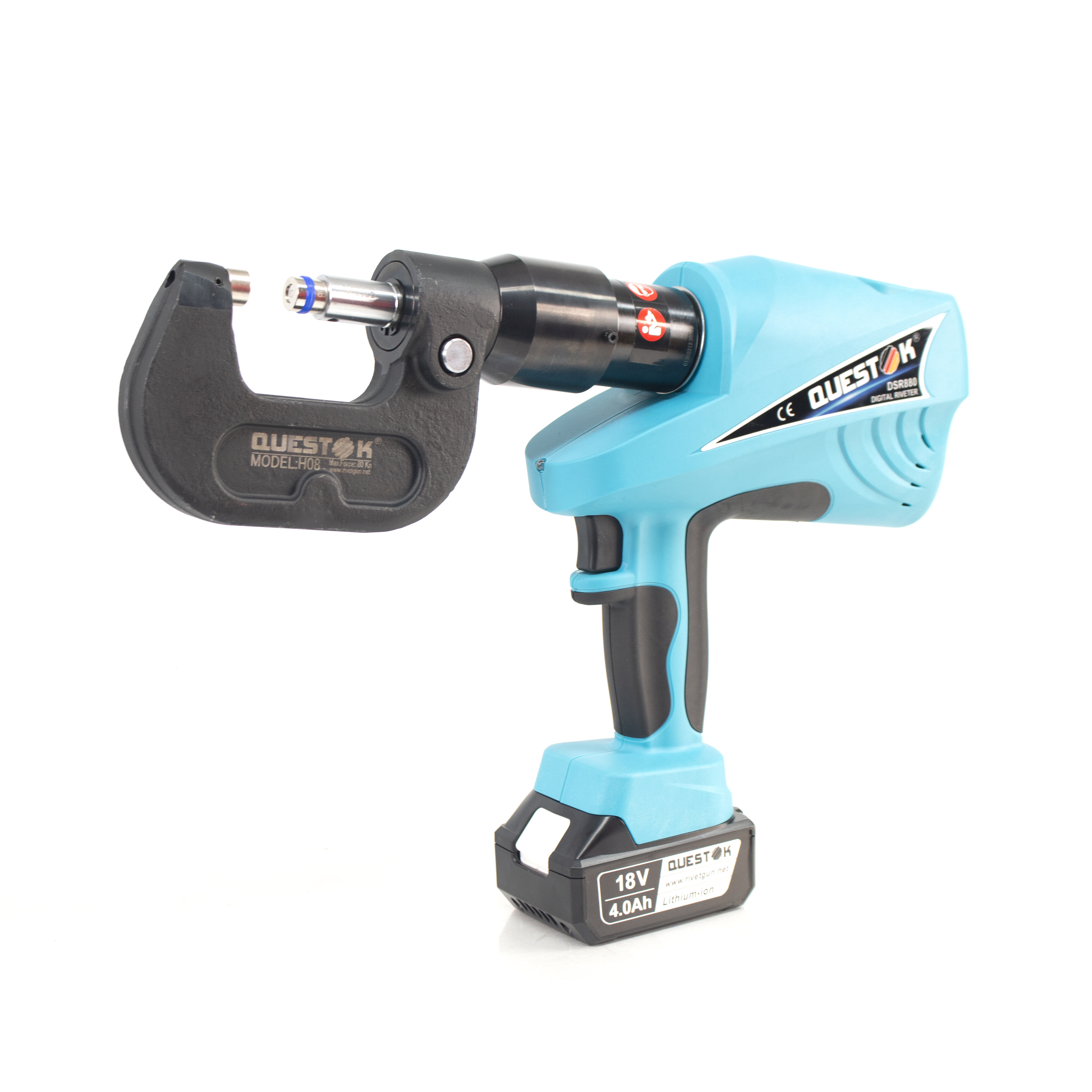
In automotive assembly, joining aluminum to steel presents thermal and galvanic challenges that make traditional welding ineffective. A Self-Piercing Riveting (SPR) system overcomes this by cold-forming a mechanical interlock. The system drives a semi-tubular rivet into the upper sheet (typically aluminum) and flares it into the lower sheet (typically high-strength steel) under precise hydraulic pressure, without piercing the bottom layer.
Engineering validation is critical when configuring these systems. For example, during the pilot builds of new models for SAIC and prototyping for NIO EV cars, extensive testing was conducted to match the die geometry and riveting force with specific sheet metal grades. Similarly, during a production setup for Mercedes Benz in Fuzhou, engineers performed hundreds of material tests, metallographic analyses, and die modifications to resolve the high-strength challenges of combining diverse steel and aluminum alloys. Implementing a system with a precision-adjustable pressure range of 1-80kn ensures the rivet flares correctly without compromising the structural integrity of the automotive frame.
Data/Solution Comparison
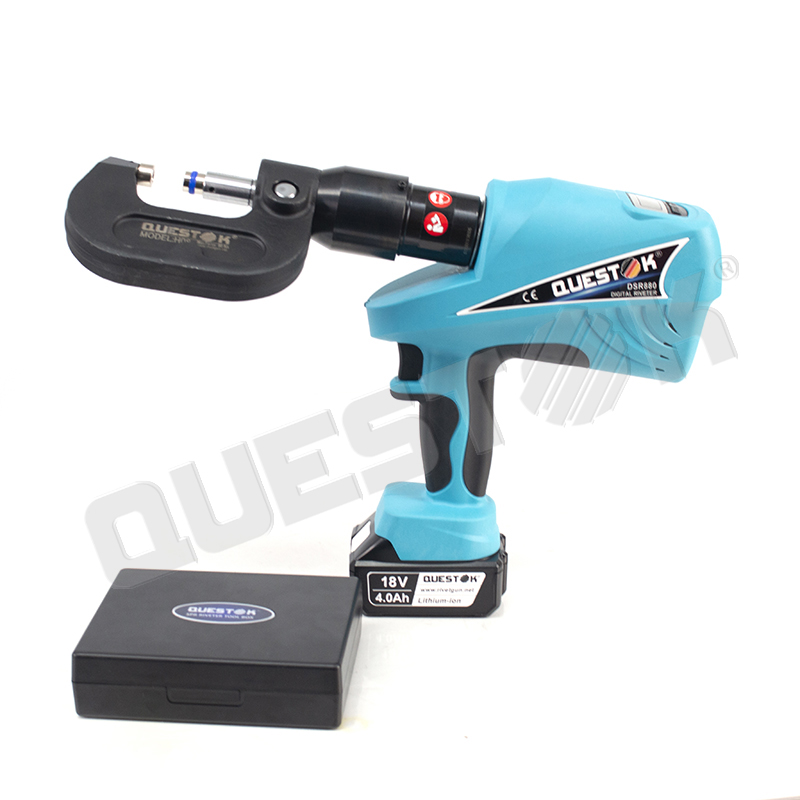
The following table outlines the technical differences between standardized SPR systems and customized integration solutions designed for automotive production lines:
| System Feature / Parameter | Standard SPR Riveting System | Customized SPR Integration Solution |
|---|---|---|
| Output Pressure Range | 1-80kn (Precisely adjustable) | 1-80kn (Customized curves) |
| Delivery Lead Time | 3 days (for quantities under 50 sets) | 15 days (tailored to specific lines) |
| Applicable Scenarios | Car repair (e.g., Ford F150, Tesla, BMW) | Automated production lines (e.g., CATL, BYD) |
| Quality Inspection Standard | 100% full inspection and functional test | 100% inspection with video verification |
Frequently Asked Questions (FAQ)
Q1: What output pressure is required for joining aluminum to steel?
A1: An output pressure range of 1-80kn is standard. The pressure must be precisely adjustable to accommodate the varying thicknesses and tensile strengths of the automotive sheets without piercing the bottom steel layer.
Q2: Can one riveting gun handle both SPR and clinching processes?
A2: Yes, multi-function riveting and clinching systems can switch between self-piercing riveting and rivetless clinching. This is highly beneficial for automotive lines like Benz Fuzhou that require both joint types on a single assembly.
Q3: How are SPR systems maintained to prevent production downtime?
A3: Reliable systems are backed by 24-hour global technical support and supplied with essential spare parts. Video-conference training for troubleshooting and rapid air-express delivery of replacement parts are standard industry practices to keep automated lines running.
Final Conclusion & Recommendations
Selecting the right SPR riveting system requires a balance of force precision, rapid customization support, and proven factory floor reliability. For high-volume automotive production, specify an intelligent system with an adjustable 1-80kn pressure range and ensure the manufacturer performs 100% pre-delivery functional testing. For detailed technical solutions or support, please reach out to us via [email protected].
About Us
PHOTON TECHNOLOGY KUNSHAN CO.,LTD, known globally as Questok, is an industrial technology company established in 2011, operating from a 5000 sqm factory in Kunshan, China. We specialize in R&D and manufacturing of battery-powered hydraulic riveting tools, SPR riveting systems, and clinching equipment, maintaining a production team of 20-50 employees. Our products are backed by CE (Cert. No. ISETC.001120210222, 3N210218.PTK0S25) and MSDS certifications, serving prominent automotive and energy manufacturers including NIO, SAIC, CATL, BYD, and Mercedes Benz. 
Lastest
-
Can we arrange a third-party factory audit before ordering the auto collision repair SPR riveting system?
2026-07-06 -
Are there any hidden fees when importing an auto collision repair SPR riveting system?
2026-07-06 -
Can I get a sample of the auto collision repair SPR riveting system to test in my workshop?
2026-07-06 -
Are there any eco-friendly benefits to using an auto collision repair SPR riveting system?
2026-07-06 -
Is a battery-powered auto collision repair SPR riveting system as strong as pneumatic ones?
2026-07-06
SUBSCRIBE
INQUIRY