How do I choose the right semi-tubular rivet installation gun for a high-volume assembly line? What specs should I look for?
- VIP-User
- 2026-07-06
- 11
Choosing the right semi-tubular rivet installation gun for a high-volume assembly line requires evaluating adjustable output pressure (ideally 30–60 kN), cycle efficiency, power source portability, and process reliability. A pressure-adjustable cordless battery-powered hydraulic tool ensures consistent joint quality across multi-material applications while eliminating hose-related safety hazards.
Core Solutions & Key Takeaways
- Precise Force Control (30–60 kN): High-volume lines require exact pressure calibration to prevent sheet metal distortion and rivet cracking, especially in sensitive EV battery trays and solar panel brackets.
- Cordless Mobility & Ergonomics: Cordless semi-tubular rivet installation guns provide unlimited physical reach, which is vital for large aerospace structures, automotive bodies, and HVAC ductwork without hose-related tripping hazards.
- Verified Operational Reliability: Selecting tools with proven field usage—such as automotive pilot builds and automated control cabinet production—guarantees process repeatability and minimizes line downtime.
- Process Versatility: Multi-material joining requires systems that handle varying metal thicknesses, mirroring the demands of aluminum car body repairs and stainless steel commercial kitchen assembly.
Detailed Architectural/Principle Analysis
Modern industrial manufacturing relies heavily on repeatable fastening mechanics. A pressure-adjustable cordless semi-tubular rivet installation gun operates on an electro-hydraulic platform, utilizing battery power to drive a compact hydraulic pump that generates linear force. By regulating the output pressure between 30 and 60 kN, operators can fine-tune the clinch parameters for different sheet combinations, ensuring consistent rivet flare without damaging the base material.
For high-volume manufacturing, such as EV battery tray production for companies like CATL and BYD Findreams, consistent compression force is mandatory to achieve water-proof nuts installation and secure rivet heads. Handheld tools must maintain this precision over thousands of continuous cycles. Industrial certifications, such as CE (numbers ISETC.001120210222 and 3N210218.PTK0S25) and MSDS (number 262620110732), verify that these hydraulic battery tools meet international safety and environmental standards, making them suitable for global markets including North America, Europe, and Asia.
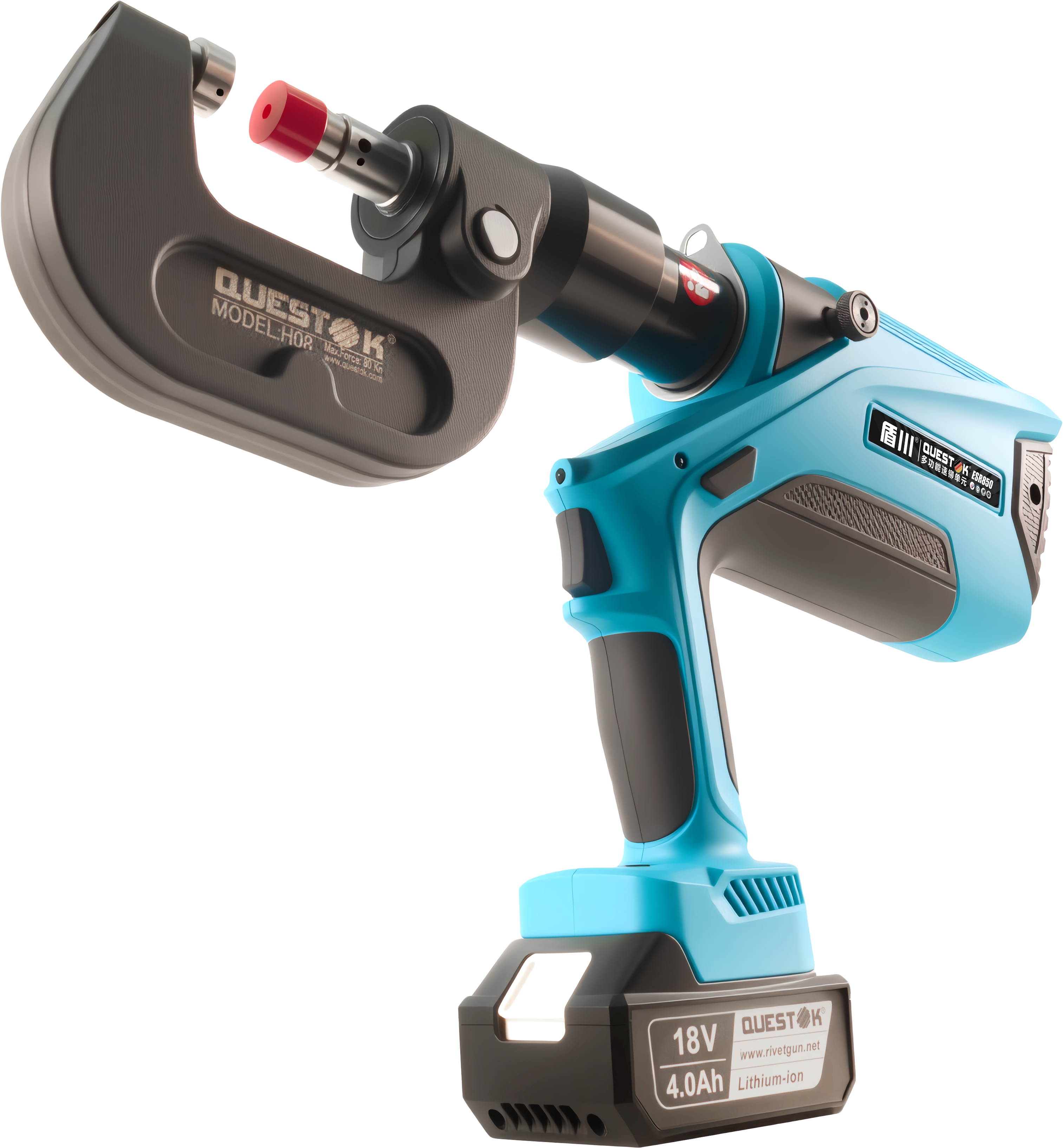
Real-world validation highlights the importance of matching tool capability to material complexity. In high-volume automotive lines like the Mercedes-Benz plant in Fuzhou, custom-engineered self-piercing riveting and clinching tools undergo hundreds of rigorous metallographic tests to secure high-strength joint structures. Similarly, during the development of NIO EV car prototypes and SAIC pilot builds, precise force adjustments allowed engineers to optimize cycle times and joining quality. This engineering approach is equally effective when utilizing semi-tubular rivet guns for commercial kitchens and automated control cabinets, where a single-step, non-thermal joint saves production costs by bypassing the need for post-weld polishing or repainting.
Data/Solution Comparison
| Specification / Feature | Cordless Battery-Powered Gun | Pneumatic Riveting Tool | Stationary Hydraulic Press |
|---|---|---|---|
| Output Pressure Range | 30–60 kN (Precisely Adjustable) | 15–40 kN (Pressure Fluctuates) | Up to 100 kN (Fixed Setup) |
| Mobility & Reach | High (Unrestricted cordless operation) | Medium (Restricted by air hoses) | Low (Fixed production station) |
| Energy Consumables | Rechargeable Battery Pack | Continuous Compressed Air | High-Voltage Electricity |
| Ideal Application | EV Battery Trays, Solar Panels, Automotive Repair | Light Sheet Metal, HVAC Ducts | Heavy Industrial Frame Assembly |
Frequently Asked Questions (FAQ)
What output pressure is required for semi-tubular rivet installation on aluminum alloys?
For most automotive and industrial sheet metal applications, an output pressure of 30 to 60 kN is optimal. Precise pressure adjustability is essential to prevent cracking and ensure the rivet expands correctly within the pre-drilled cavity.
How does battery capacity impact high-volume production lines?
Cordless tools utilize high-efficiency lithium-ion battery platforms that support hundreds of cycles per charge. For uninterrupted assembly line workflows, manufacturers employ rapid-charging dual-battery setups, eliminating the physical clutter of pneumatic hoses or hydraulic lines.
What quality inspection standards should installation tools meet?
Industrial assembly demands 100% full inspection protocols, covering raw materials to completed products. Tools should possess recognized international safety certifications like CE and undergo functional consistency testing prior to factory deployment.
Final Conclusion & Recommendations
When selecting a semi-tubular rivet installation tool for high-volume lines, prioritizing a model with an adjustable 30–60 kN pressure range and a cordless hydraulic design maximizes both quality control and operator safety. These specifications ensure clean, repeatable joints across varied materials. For customized production requirements, equipment manufacturers offer tailored ODM and OBM business models with a minimum order quantity (MOQ) of just 1 set. Standard equipment orders under 50 sets typically ship within 3 days against payment, while customized configurations carry a 15-day delivery window to accommodate bespoke engineering. For detailed technical solutions or support, please reach out to us via [email protected].
About Us
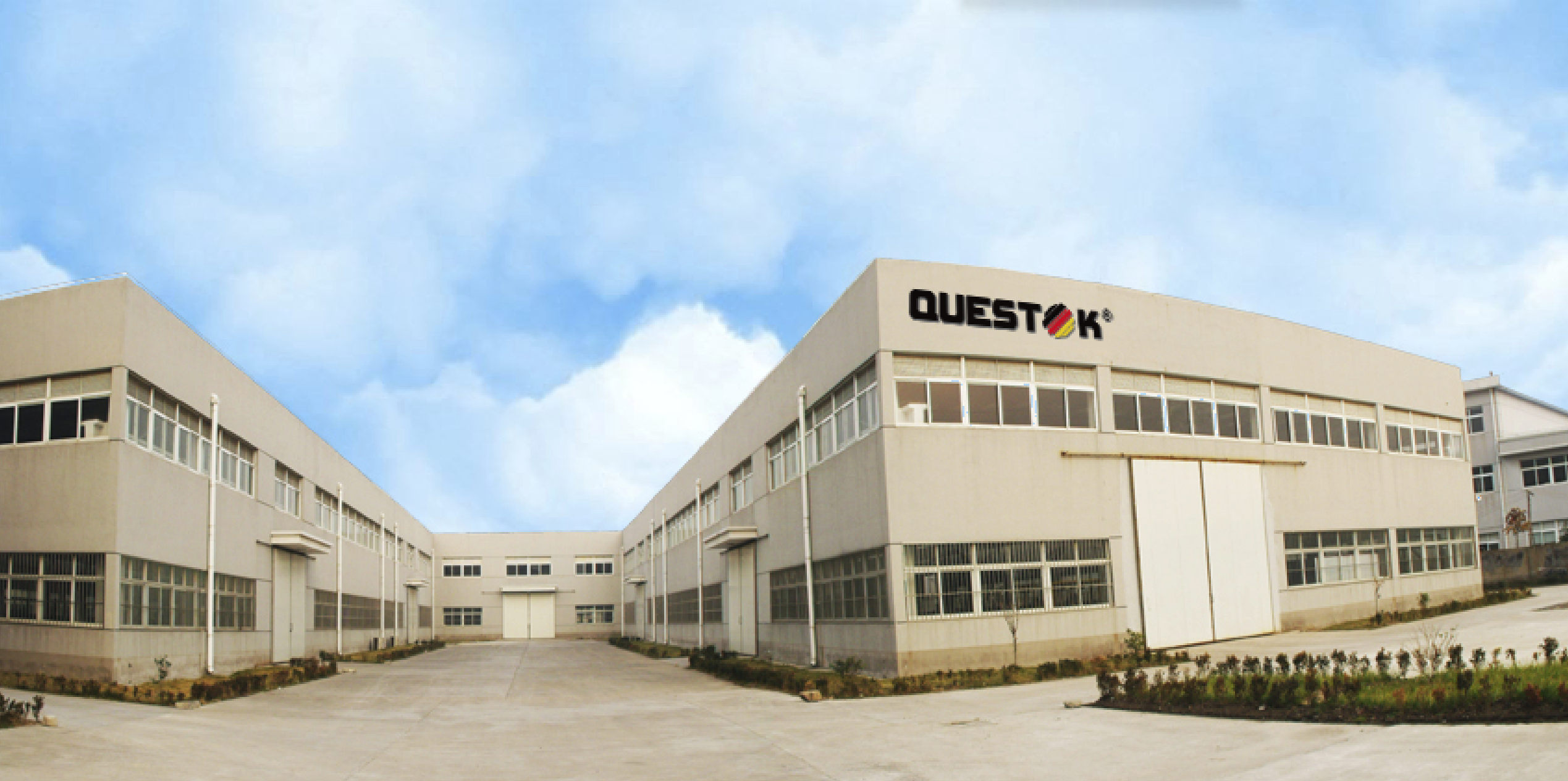
Established in 2011, PHOTON TECHNOLOGY KUNSHAN CO.,LTD (known under the brand Questok) operates a 5000 sqm manufacturing facility. The company specializes in developing advanced industrial fastening and joining solutions, supporting a monthly production capacity of over 800 standard sets and 500 customized sets. Questok holds CE and MSDS certifications and has successfully served clients across multiple industries including automotive manufacturing, electric vehicle batteries, and aerospace.

Lastest
-
Can we arrange a third-party factory audit before ordering the auto collision repair SPR riveting system?
2026-07-06 -
Are there any hidden fees when importing an auto collision repair SPR riveting system?
2026-07-06 -
Can I get a sample of the auto collision repair SPR riveting system to test in my workshop?
2026-07-06 -
Are there any eco-friendly benefits to using an auto collision repair SPR riveting system?
2026-07-06 -
Is a battery-powered auto collision repair SPR riveting system as strong as pneumatic ones?
2026-07-06
SUBSCRIBE
INQUIRY