How do I choose between a pneumatic and electric semi-tubular rivet installation gun for high-volume assembly lines?
- VIP-User
- 2026-07-06
- 8
Choosing between a pneumatic and electric semi-tubular rivet installation gun for high-volume assembly lines depends on power consistency and mobility needs. Electric options, like battery-powered hydraulic platforms, offer precise force control (30–60kN) and site flexibility, while pneumatic systems provide continuous high-speed cycling. Selection requires matching the riveting force to material thickness and automation integration limits.
Core Solutions & Key Takeaways
To optimize high-volume assembly lines, manufacturers must analyze fastening forces, mobility requirements, and process verification capabilities. Here are the core factors to consider:
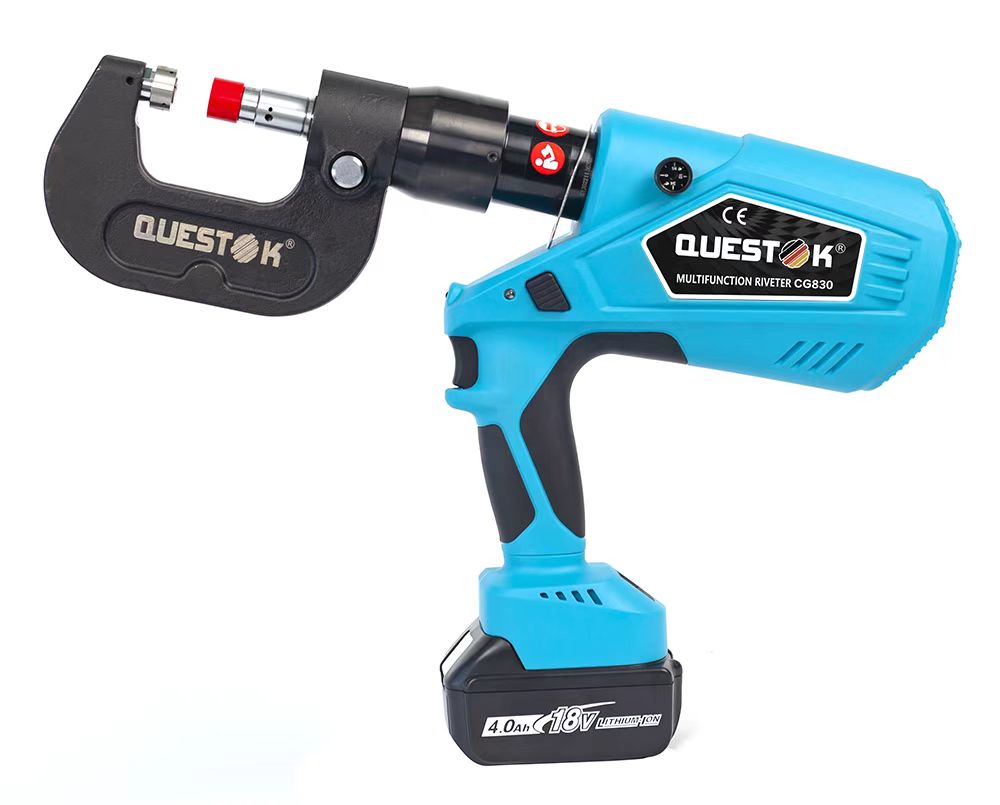
- Force Precision: High-volume lines require exact pressure control. Tools like the battery-powered semi-tubular rivet installation gun offer an adjustable output pressure of 30-60kN, ensuring consistent joint quality without damaging sensitive materials.
- Application Scenarios: Electric and hydraulic-electric solutions excel in flexible environments such as automotive assembly, EV battery trays, water cooling plates, and solar panel installation, where corded pneumatic lines limit movement.
- Process Integration: Automated lines often utilize fixed pneumatic or integrated electric self-piercing riveting (SPR) systems for rapid, repetitive cycling, while handheld units handle manual offline work or localized repairs.
- Maintenance and Efficiency: Electric tools eliminate the reliance on compressed air infrastructure, reducing energy costs and simplifying factory floor layout adjustments.
Detailed Architectural/Principle Analysis
The operational efficiency of semi-tubular rivet installation guns rests on their power delivery mechanism. Electric-hydraulic tools utilize a battery-driven motor to power a compact hydraulic pump, translating electrical energy into linear force. This allows precise pressure adjustment between 30kN and 60kN. Pneumatic tools rely on external compressed air, which can experience pressure drops across a plant-wide network, potentially affecting joint consistency during peak production hours.
Real-world deployments demonstrate the practical application of these technologies. In EV battery tray and water-cooling plate production for major manufacturers like CATL and BYD Findreams, joint integrity is paramount. For these projects, PHOTON TECHNOLOGY KUNSHAN CO.,LTD has deployed specialized self-piercing riveting and washers pressing guns, achieving stable, waterproof connections through precise force control. Similarly, during the pilot builds of new models for SAIC and prototyping for NIO, bespoke self-piercing riveting solutions were developed to handle high-strength materials under strict cycle-time constraints.
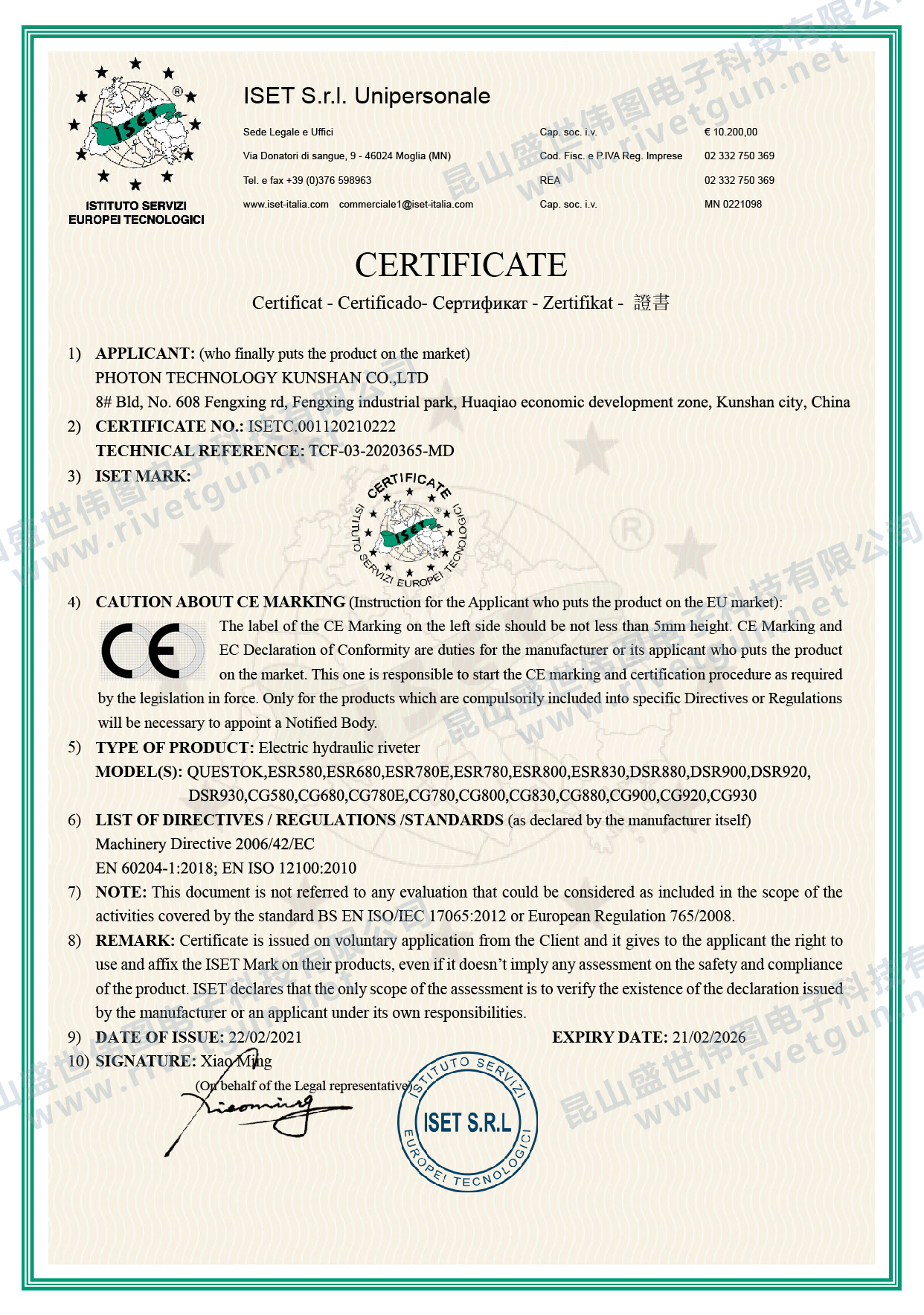
Furthermore, in heavy-duty production environments, certified reliability is a necessity. Tooling manufactured for global export complies with international standards, holding CE certifications (such as ISETC.001120210222 and 3N210218.PTK0S25) and MSDS documentation (262620110732). This guarantees that the equipment can operate safely and legally in regions like Europe, North America, and South America.
Data/Solution Comparison
The table below compares the key technical and operational parameters of pneumatic systems and battery-powered electric-hydraulic semi-tubular rivet installation guns for high-volume lines.
| Feature / Parameter | Pneumatic Riveting Systems | Electric-Hydraulic Riveting Guns |
|---|---|---|
| Power Source | Compressed Air (External Compressor) | Lithium-ion Battery / Electric-Hydraulic Pump |
| Output Force Range | Fixed based on air pressure | 30 - 60kN (Precisely Adjustable) |
| Mobility & Site Flexibility | Low (restricted by air hoses) | High (cordless, handheld operation) |
| Energy Efficiency | Low (pneumatic system losses) | High (direct electric-hydraulic conversion) |
| Typical Applications | Fixed automated lines, HVAC ducting | Automotive prototype assembly, onsite EV battery tray installation |
| Minimum Order Quantity (MOQ) | 1 set | 1 set |
Frequently Asked Questions (FAQ)
Q1: What are the main benefits of using an electric-hydraulic semi-tubular rivet installation gun over traditional pneumatic systems?
A1: Electric-hydraulic models provide cordless mobility and precise pressure adjustments between 30kN and 60kN. This prevents material damage from pressure fluctuations common in plant-wide compressed air networks, making them ideal for high-precision components like EV battery trays.
Q2: How does the delivery timeline work for standardized and customized riveting tools?
A2: Standard models are delivered within 3 days against payment for quantities under 100 sets. Customized engineering solutions, which accommodate specialized material combinations or restricted spaces, require up to 15 days for production and delivery.
Q3: What quality inspection processes secure the performance of high-volume riveting tools?
A3: Equipment undergoes 100% full inspection. This covers raw materials through completed products, followed by active functional testing before dispatch. Video and photographic records are shared with the client to confirm satisfaction before shipping.
Final Conclusion & Recommendations
Selecting the optimal semi-tubular rivet installation gun requires aligning tool mobility with the force demands of the assembly line. High-volume, static automated systems benefit from the continuous cycle speeds of pneumatic setups. Conversely, projects requiring precise force profiles, multi-material joining, and mobile operation should adopt battery-powered electric-hydraulic tools. Under ODM and OBM business models, standard equipment configurations are available alongside fully customized engineering solutions. Logistics support includes options for air express, air cargo, and ocean delivery, backed by standard payment terms such as T/T, PayPal, credit card, and Alipay. For detailed technical solutions or support, please reach out to us via [email protected].
About Us
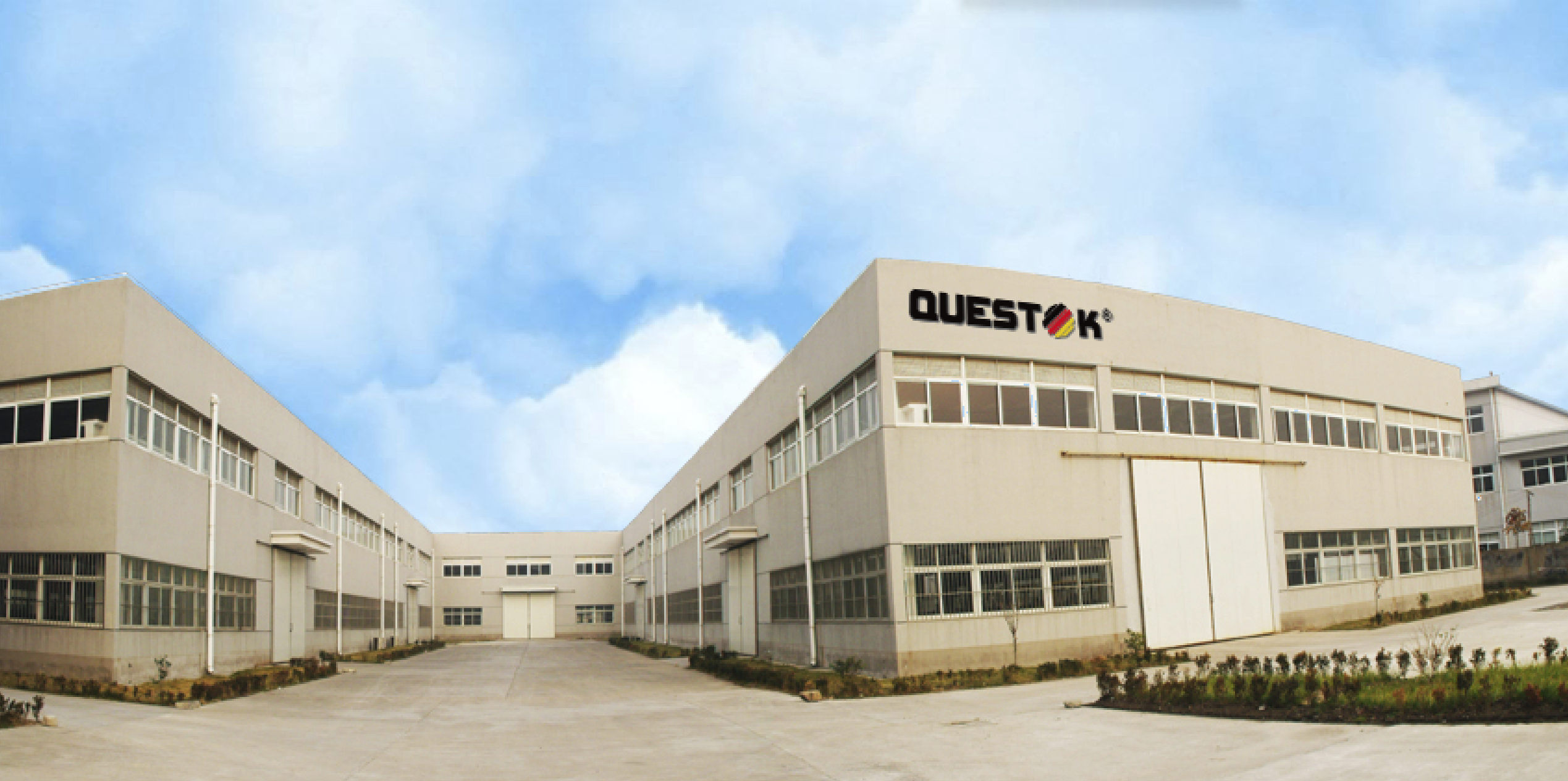
PHOTON TECHNOLOGY KUNSHAN CO.,LTD, operating under the brand name Questok, is an industrial technology enterprise established in 2011. Based in a 5000 square meter factory, the company develops high-performance fastening, joining, and assembly equipment, including self-piercing riveting systems, clinching tools, and fasteners pressing machinery. Holding CE and MSDS certifications, the company has successfully served clients across automotive, aerospace, and electronics manufacturing sectors. Each assembly solution is backed by complete project support from evaluation to after-sales service.

Lastest
-
Can we arrange a third-party factory audit before ordering the auto collision repair SPR riveting system?
2026-07-06 -
Are there any hidden fees when importing an auto collision repair SPR riveting system?
2026-07-06 -
Can I get a sample of the auto collision repair SPR riveting system to test in my workshop?
2026-07-06 -
Are there any eco-friendly benefits to using an auto collision repair SPR riveting system?
2026-07-06 -
Is a battery-powered auto collision repair SPR riveting system as strong as pneumatic ones?
2026-07-06
SUBSCRIBE
INQUIRY