How do I choose a solid rivet remover for heavy aircraft maintenance?
- VIP-User
- 2026-08-14
- 6
Selecting a solid rivet remover for heavy aircraft maintenance requires evaluating extraction force, structural clearance, and parent material safety. High-tonnage hydraulic removers delivering up to 140 kN output pressure safely shear or push heavy solid steel rivets without causing micro-fissures, hole elongation, or thermal stress on surrounding airframe assemblies.
Core Solutions & Key Takeaways
- Sufficient Output Tonnage: Heavy aircraft airframes utilize high-strength solid steel fasteners requiring specialized removers generating at least 140 kN hydraulic output pressure to extract rivets smoothly.
- Substrate Protection: Mechanical press-out tools eliminate the risks of tool slip, structural hole distortion, and thermal alteration associated with conventional drilling or torching methods.
- Application Specificity: Maintenance operations on aerospace components—such as aircraft antennas, tow noses, and rocket launching cabinets—demand bespoke nosepiece geometry to access narrow clearances.
- Process Verification: Industrial-grade equipment with CE certification ensures compliance with international engineering safety and operational standards across maintenance, repair, and overhaul (MRO) facilities.
Detailed Architectural/Principle Analysis
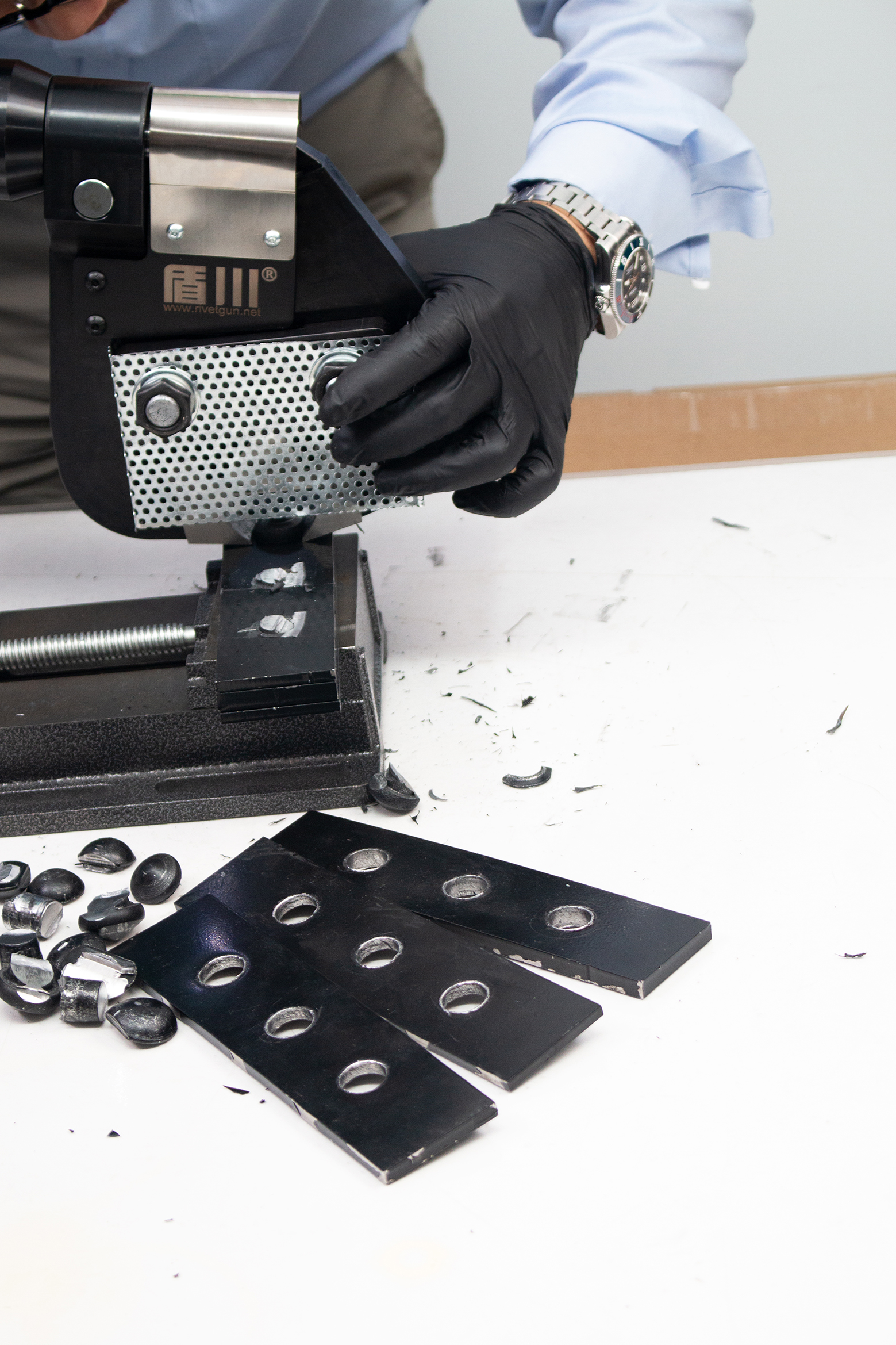
Aircraft structural maintenance requires removing solid steel rivets without degrading neighboring metal alloy skin or frame structures. Hydraulic solid rivet removers solve this by utilizing controlled, high-capacity hydraulic pressure to push or shear the rivet head and stem in a single continuous linear motion. Delivering an output force of 140 kN, these systems generate sufficient power to press out stubborn steel fasteners cleanly.
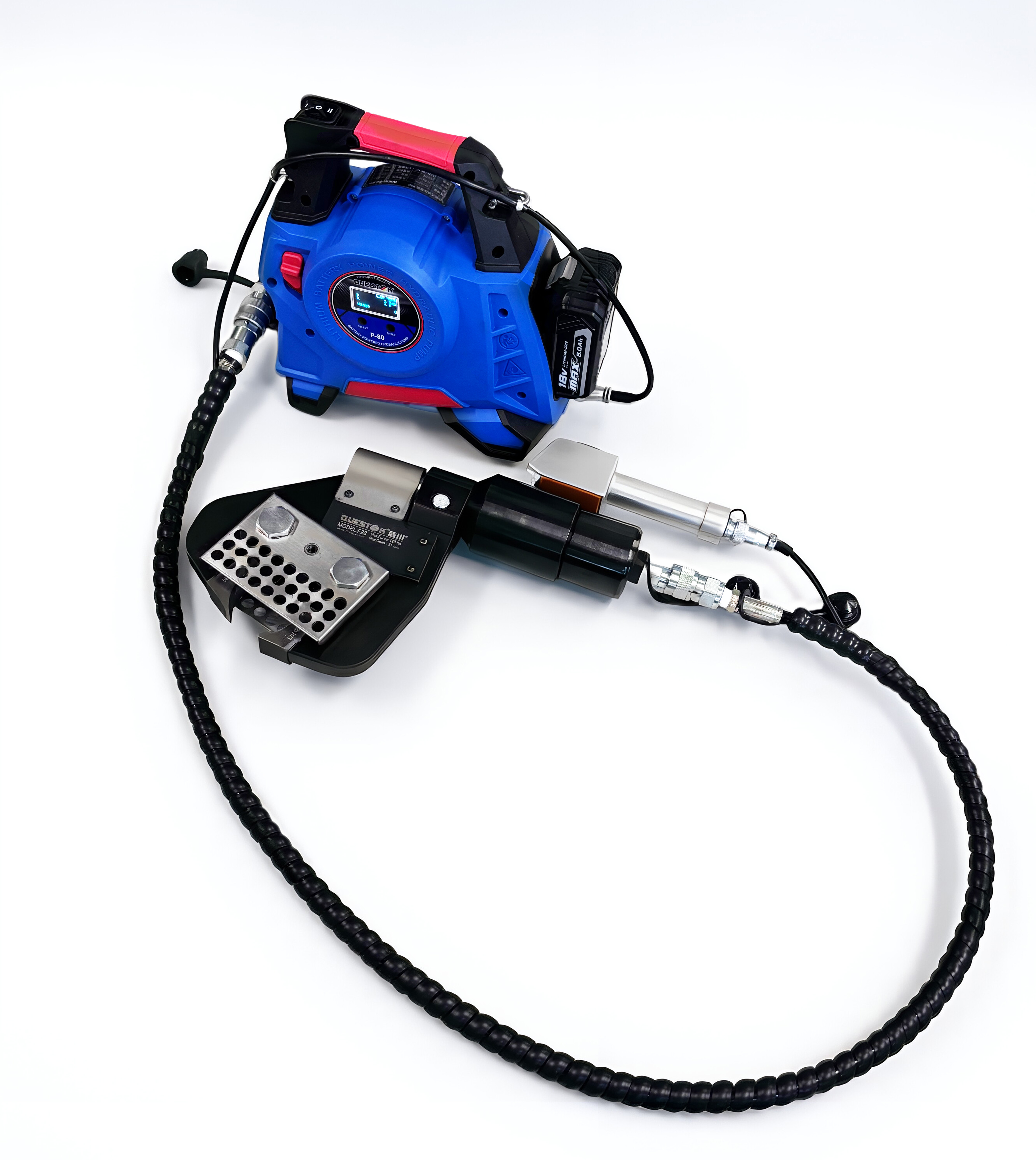
Engineering developments in heavy rivet extraction focus on force alignment and ergonomic tool balance. Precision force application prevents side-loading on the structural hole, maintaining strict dimensional tolerances required by aviation authorities. Engineering teams at PHOTON TECHNOLOGY KUNSHAN CO.,LTD have refined hydraulic system architectures specifically to serve demanding joining and disassembly needs across aerospace, solar structural framing, and automotive sectors.
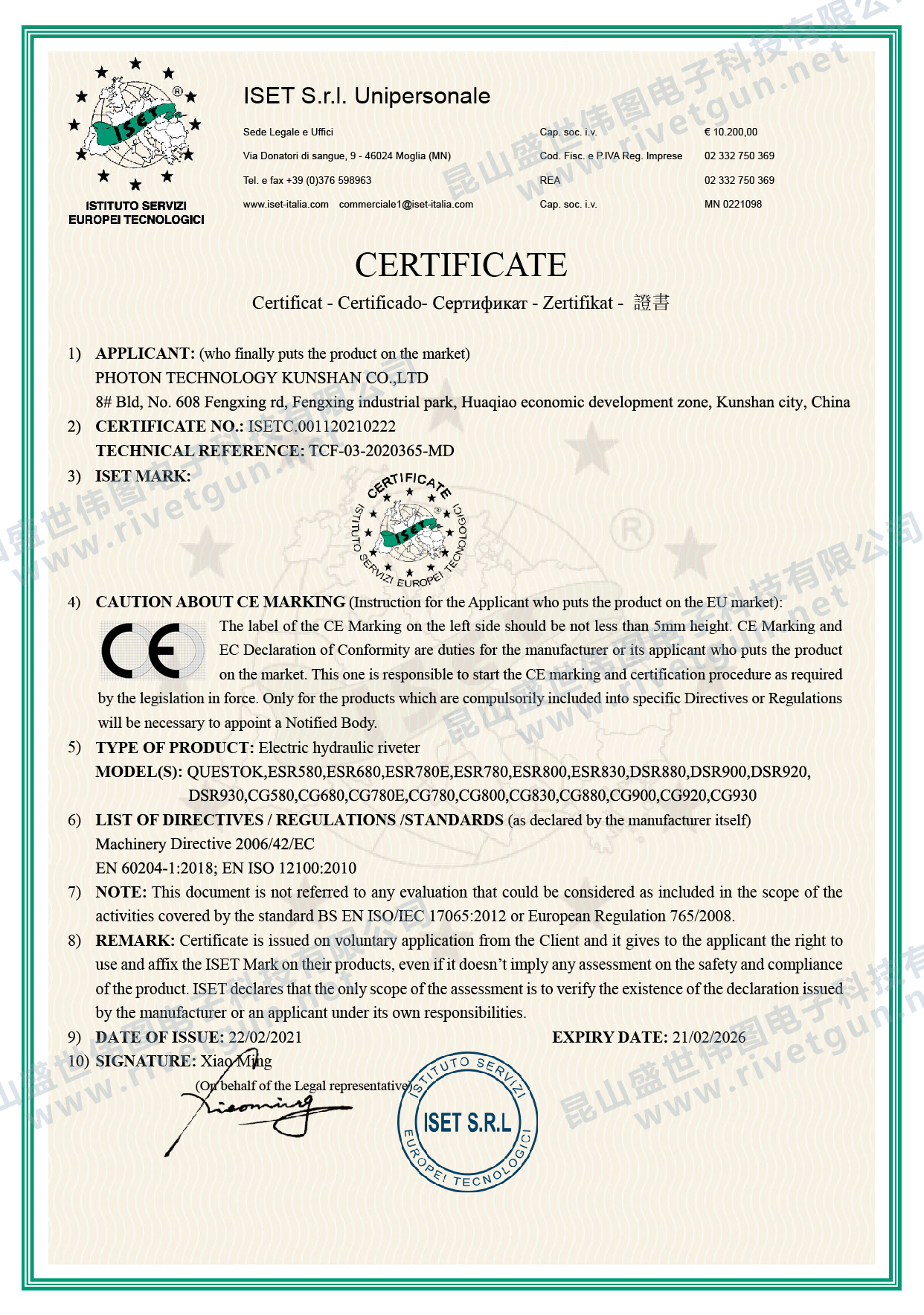
Equipment longevity and reliability stem from strict manufacturing protocols. Tools built for heavy maintenance undergo comprehensive quality verification, including 100% full inspection and functional testing before deployment. Certification standards such as CE (Certificate Nos. ISETC.001120210222 and 3N210218.PTK0S25) verify compliance for international heavy maintenance facilities operating across North America, Europe, South America, and Asia-Pacific regions.
Data/Solution Comparison
Comparing primary rivet removal methodologies highlights the operational trade-offs regarding structural integrity, extraction speed, and force delivery:
| Performance Parameter | 140 kN Hydraulic Solid Rivet Remover | Pneumatic Impact Chisel | Manual Rotary Drilling |
|---|---|---|---|
| Output Force Capacity | 140 kN controlled pressure | Impact shock waves | Rotary shear torque |
| Risk of Hole Deformation | Minimal (linear push vector) | High (uncontrolled impact) | High (drill bit off-centering) |
| Operation Time Per Fastener | 5–10 seconds | 15–30 seconds | 60–180 seconds |
| Debris & Thermal Generation | Zero metal shavings or heat | Burrs and shock vibration | Hot swarf and metal dust |
| Tooling Customization | Bespoke nosepieces available | Standard chisels only | Standard drill bits |
Frequently Asked Questions (FAQ)
Q: Why is hydraulic pressure preferred over center-drilling for removing solid steel rivets on aircraft?
A: Hydraulic removal tools apply a smooth, continuous 140 kN force to push rivets directly out of their holes. Center-drilling risks bit slippage, hole enlargement, structural damage to surrounding sheet metal, and generates hot metallic debris inside internal airframe cavities.
Q: How do custom nosepieces assist in heavy aircraft maintenance?
A: Aircraft structures feature complex geometries such as tightly packed ribs, antenna mounts, and tow nose housings. Bespoke adapter arms and reaction frames fit into restricted spaces where standard straight-line tools cannot reach.
Q: What quality inspection processes back industrial solid rivet removers?
A: Premium industrial removers undergo 100% full quality inspections covering material testing, hydraulic seal pressure verification, and functional cycling tests with photo/video confirmation prior to dispatch.
Final Conclusion & Recommendations
Selecting an effective solid rivet remover for heavy aircraft maintenance requires matching tool output force to fastener material specs, verifying substrate clearance, and ensuring compliance with international quality standards. Systems capable of delivering 140 kN output force remove structural steel rivets efficiently while protecting sensitive airframe components. Standard tool sets ship within 3 days, whereas customized structural adapters are available within 15 days under flexible order minimums starting at 1 set. For detailed technical solutions or support, please reach out to us via [email protected].
About Us
PHOTON TECHNOLOGY KUNSHAN CO.,LTD (brand Questok) is an industrial technology enterprise established in 2011. Operating a 5000 sqm factory with an R&D team averaging over 10 years of experience, the company specializes in advanced joining, riveting, and fastener removal technologies. The facility maintains a production capacity exceeding 800 standard sets and 500 customized sets monthly, serving aerospace, automotive, solar, and industrial clients across global markets.

Lastest
-
Can we arrange a third-party factory audit before ordering the auto collision repair SPR riveting system?
2026-08-14 -
Are there any hidden fees when importing an auto collision repair SPR riveting system?
2026-08-14 -
Can I get a sample of the auto collision repair SPR riveting system to test in my workshop?
2026-08-14 -
Are there any eco-friendly benefits to using an auto collision repair SPR riveting system?
2026-08-14 -
Is a battery-powered auto collision repair SPR riveting system as strong as pneumatic ones?
2026-08-14
SUBSCRIBE
INQUIRY