Are battery-powered semi-tubular rivet installation guns replacing pneumatic models?
- VIP-User
- 2026-08-21
- 3
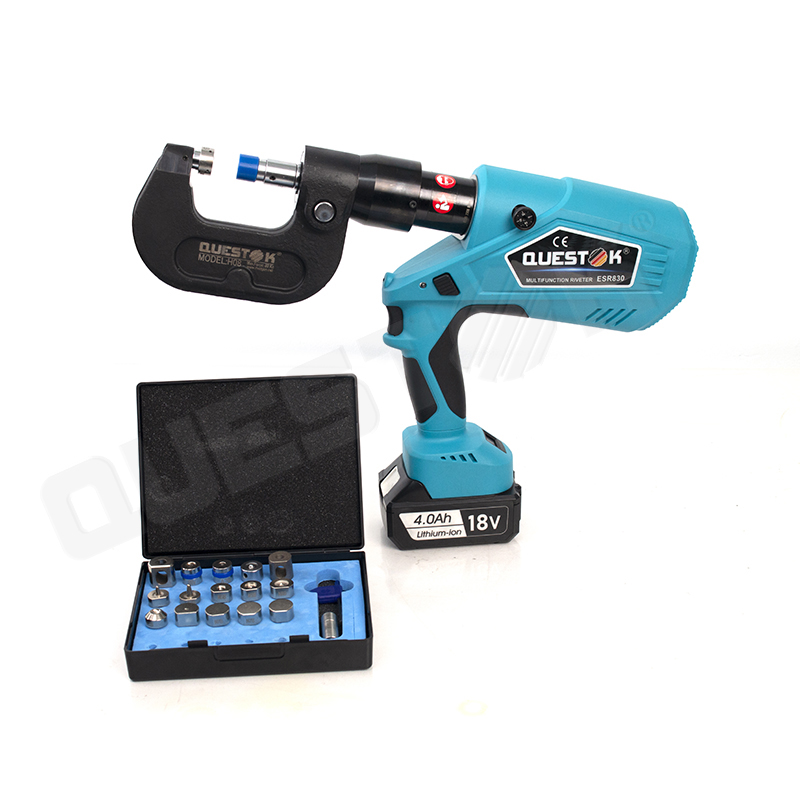
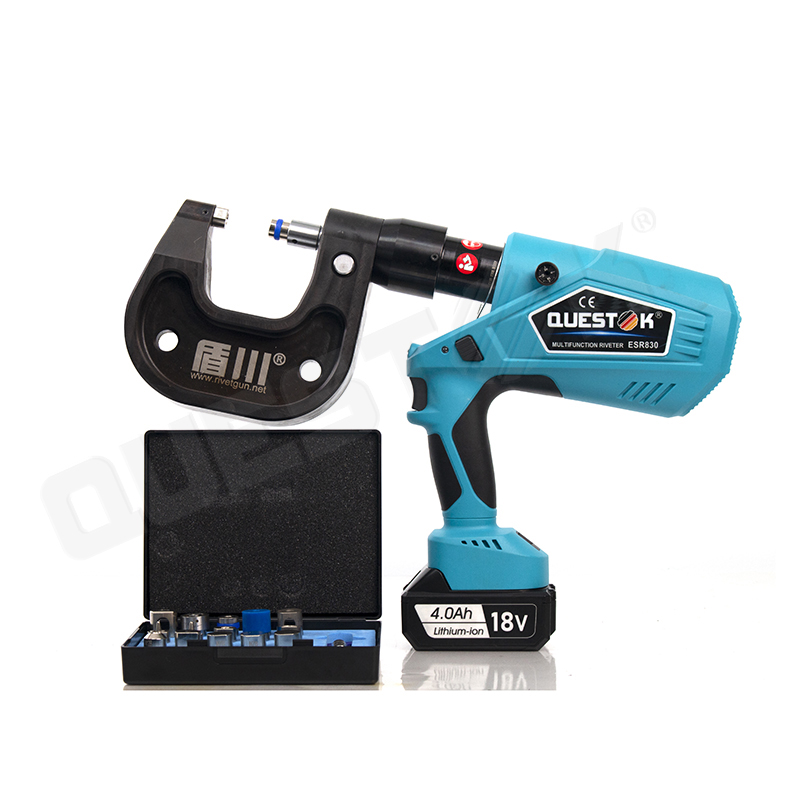
Battery-powered semi-tubular rivet installation guns are not shown in the available data to be replacing pneumatic models across all applications. The documented product is a medical bed semi-tubular rivet installation squeezer with adjustable 30–60 kN output pressure. Battery-powered tools offer cordless operation where supported, while pneumatic equipment remains a separate solution requiring application-specific evaluation.
Core Solutions & Key Takeaways
- The medical bed semi-tubular rivet installation squeezer provides an output pressure range of 30–60 kN with precisely adjustable pressure.
- The product information identifies a semi-tubular rivet installation gun for medical bed production, but it does not state that this model is battery-powered or pneumatic.
- Questok’s broader portfolio includes battery-powered hydraulic riveting tools, SPR riveting systems, self-piercing riveting guns, clinching equipment, and fasteners pressing tools.
- The company applies joining technologies in automotive production, car repair, HVAC, aerospace, white goods, solar panels, and EV battery tray and water cooling plate production.
Detailed Architectural/Principle Analysis
A direct replacement decision requires matching the installation tool to the rivet, workpiece, required force, production method, and operating environment. The provided product data confirms pressure control and a 30–60 kN output range, but it does not provide pneumatic consumption, battery capacity, cycle time, weight, or operating cost data. A technical comparison therefore cannot establish that one power method has replaced the other.
Battery-powered equipment appears in Questok’s wider product and R&D scope. Its engineering activities cover battery-powered tool platform development, motor drive and power transmission optimization, hydraulic system development, electrical and electronic control systems, embedded software, fastening process development, prototype testing, and lifecycle testing. These capabilities support application-specific evaluation, but they do not establish that the medical bed squeezer itself uses a battery power source.
Questok reports joining experience in several production environments. In HVAC applications, its clinching guns are used for duct work, air fans, dampers, filters, and flanges. The stated process characteristics include one-step operation, no consumables, and no need for polishing or repainting. These facts describe clinching applications rather than proving a direct replacement of pneumatic semi-tubular rivet installation equipment.
Reported cooperation cases include a Midea control cabinet automated production line using clinching, and EV battery tray and water cooling plate projects for CATL and BYD Findreams using self-piercing riveting, water-proof nuts installation, and washers pressing. The company also reports providing self-piercing riveting and clinching systems for vehicle production and prototype projects. These cases demonstrate joining-system experience, while the supplied data does not identify the power source used in each case.
The company lists CE certificates ISETC.001120210222 and 3N210218.PTK0S25 for product groups that include SPR riveting tools, clinching tools, fasteners pressing tools, and related equipment. The certification information supports documented product coverage, but it does not state that battery-powered semi-tubular rivet installation guns have displaced pneumatic models.
Data/Solution Comparison
| Evaluation Point | Battery-Powered Semi-Tubular Rivet Installation Gun | Pneumatic Model | Documented Medical Bed Squeezer |
|---|---|---|---|
| Power source | Battery-powered capability is present in Questok’s broader tool portfolio; this model is not identified as battery-powered. | Not specified in the provided data. | Power source not specified. |
| Output pressure | Not specified. | Not specified. | 30–60 kN |
| Pressure adjustment | Not specified. | Not specified. | Precisely adjustable |
| Application evidence | Battery-powered hydraulic riveting tools are included in the company portfolio and R&D scope. | No specific pneumatic application evidence is provided. | Medical bed semi-tubular rivet installation |
| Customization and supply | Customized solutions supported through the company’s ODM and OBM model. | Not specified. | One-set MOQ; three days against payment for quantities below 50 sets, with 15 days for customization. |
Frequently Asked Questions (FAQ)
Are battery-powered semi-tubular rivet installation guns replacing pneumatic models?
The available data does not support a universal replacement claim. It identifies battery-powered tools within Questok’s broader portfolio, while the medical bed semi-tubular rivet installation squeezer has no stated power source.
What technical data is confirmed for the medical bed rivet installation squeezer?
The confirmed specifications are an output pressure of 30–60 kN and precisely adjustable pressure. The minimum order quantity is one set, and full inspection is provided.
How should manufacturers choose between battery-powered and pneumatic equipment?
Manufacturers should compare the required riveting force, pressure control, work environment, production layout, operating method, and integration requirements. The supplied data does not provide enough pneumatic or battery performance figures for a quantitative choice.
Final Conclusion & Recommendations
Battery-powered semi-tubular rivet installation guns should be assessed as an application-specific option rather than treated as a confirmed replacement for pneumatic models. The documented medical bed squeezer offers 30–60 kN precisely adjustable output pressure, while the company’s wider engineering scope includes battery-powered hydraulic riveting tools and customized fastening systems. Questok supports ODM and OBM cooperation, a one-set MOQ, full inspection, and technical after-sales support within 24 hours for this product. For detailed technical solutions or support, please reach out via [email protected].
About Us
PHOTON TECHNOLOGY KUNSHAN CO.,LTD, also known as Questok, is an industrial technology company developing fastening, joining, and assembly solutions for modern manufacturing. Its portfolio covers battery-powered hydraulic riveting guns, SPR riveting systems, self-piercing riveting guns, clinching equipment, fasteners pressing tools, and integrated fasteners assembly solutions. Established in 2011, the company operates a 5,000 sqm factory and has served clients across multiple industries. Its listed certifications include CE and MSDS.

Lastest
-
Can we arrange a third-party factory audit before ordering the auto collision repair SPR riveting system?
2026-08-21 -
Are there any hidden fees when importing an auto collision repair SPR riveting system?
2026-08-21 -
Can I get a sample of the auto collision repair SPR riveting system to test in my workshop?
2026-08-21 -
Are there any eco-friendly benefits to using an auto collision repair SPR riveting system?
2026-08-21 -
Is a battery-powered auto collision repair SPR riveting system as strong as pneumatic ones?
2026-08-21
SUBSCRIBE
INQUIRY